
Should Parents Give Technical Advice at Home? (And What to Do Instead)
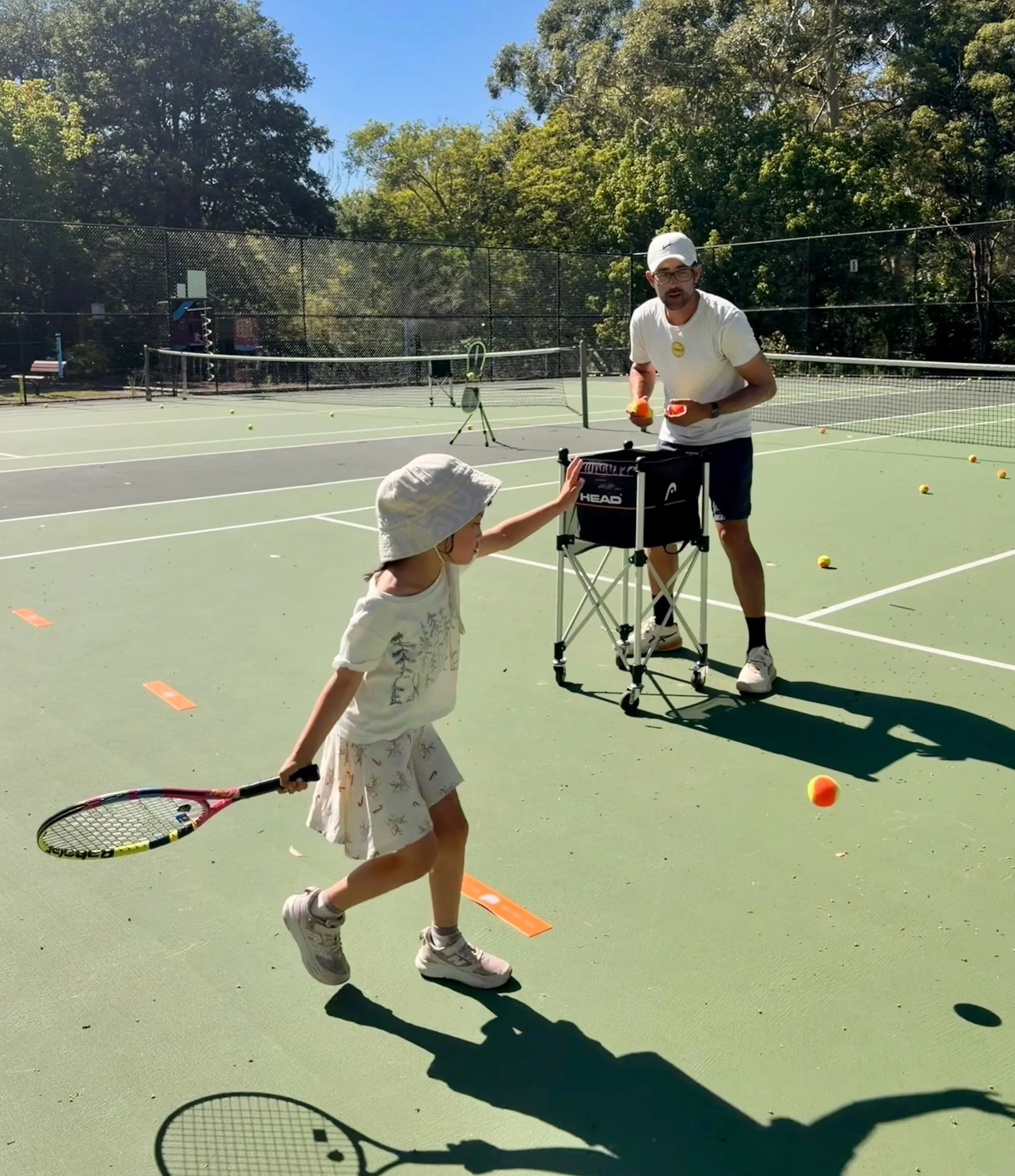
As a tennis coach, one of the most common questions I get from parents is:
“Should I be helping my child with technique at home?”
It comes from a good place. Parents want to support, help, and speed up progress.
But in most cases, technical advice at home does more harm than good.
Let’s explain why — and what actually helps your child improve.
Why Technical Advice at Home Can Be Confusing
Children often work on very specific technical cues during lessons:
Grip changes
Swing paths
Footwork patterns
Timing and spacing
When they hear different instructions at home, even if they sound helpful, it can:
Create confusion
Break confidence
Slow learning
Lead to overthinking during matches
What sounds like “just a small tip” can feel overwhelming to a young player.
Tennis Is a Game of Feel (Not Just Instructions)
Good tennis isn’t about remembering ten things at once.
It’s about:
Timing
Rhythm
Confidence
Decision-making
When kids are constantly corrected, they stop playing freely and start playing not to make mistakes.
That’s when progress stalls.
The Coach’s Role vs the Parent’s Role
Both roles are important — but they’re different.
Coach’s role:
Teach technique and tactics
Adjust drills and progressions
Give clear, consistent cues
Parent’s role:
Provide emotional support
Encourage effort and attitude
Create a positive environment
When roles blur, kids often feel caught in the middle.
What Parents Can Do Instead (This Really Helps)
Here are simple, powerful alternatives to technical coaching at home:
Encourage Effort, Not Outcomes
Try:
“I loved how hard you worked today.”
“You kept trying even when it was tough.”
Avoid:
“You need to fix your forehand.”
Ask Open Questions
After training or matches:
“What did you work on today?”
“What did you enjoy the most?”
This helps children reflect without pressure.
Communicate With the Coach
If you’re unsure:
Ask what your child is focusing on
Ask how you can support at home
Good coach–parent communication creates consistency.
Keep Tennis Fun Outside the Court
Play mini games:
Short rallies
Target games
Serving challenges
No technique talk needed — just enjoyment.
What If My Child Asks for Help?
This is the exception.
If your child asks for advice:
Keep it simple
Use the same language the coach uses
Or say:
“That’s a great question — let’s ask your coach next session.”
This reinforces trust and clarity.
Final Thoughts for Parents
Your support matters more than you realise.
Children progress best when:
They feel safe to make mistakes
They enjoy coming to training
They trust both their coach and their parents
You don’t need to be their technical coach to help them succeed.
At Our Tennis Journey, we believe the best results come from a strong coach–player–parent partnership.
