
How to Support Your Child on “Off Days”: The Most Underrated Skill in Junior Tennis
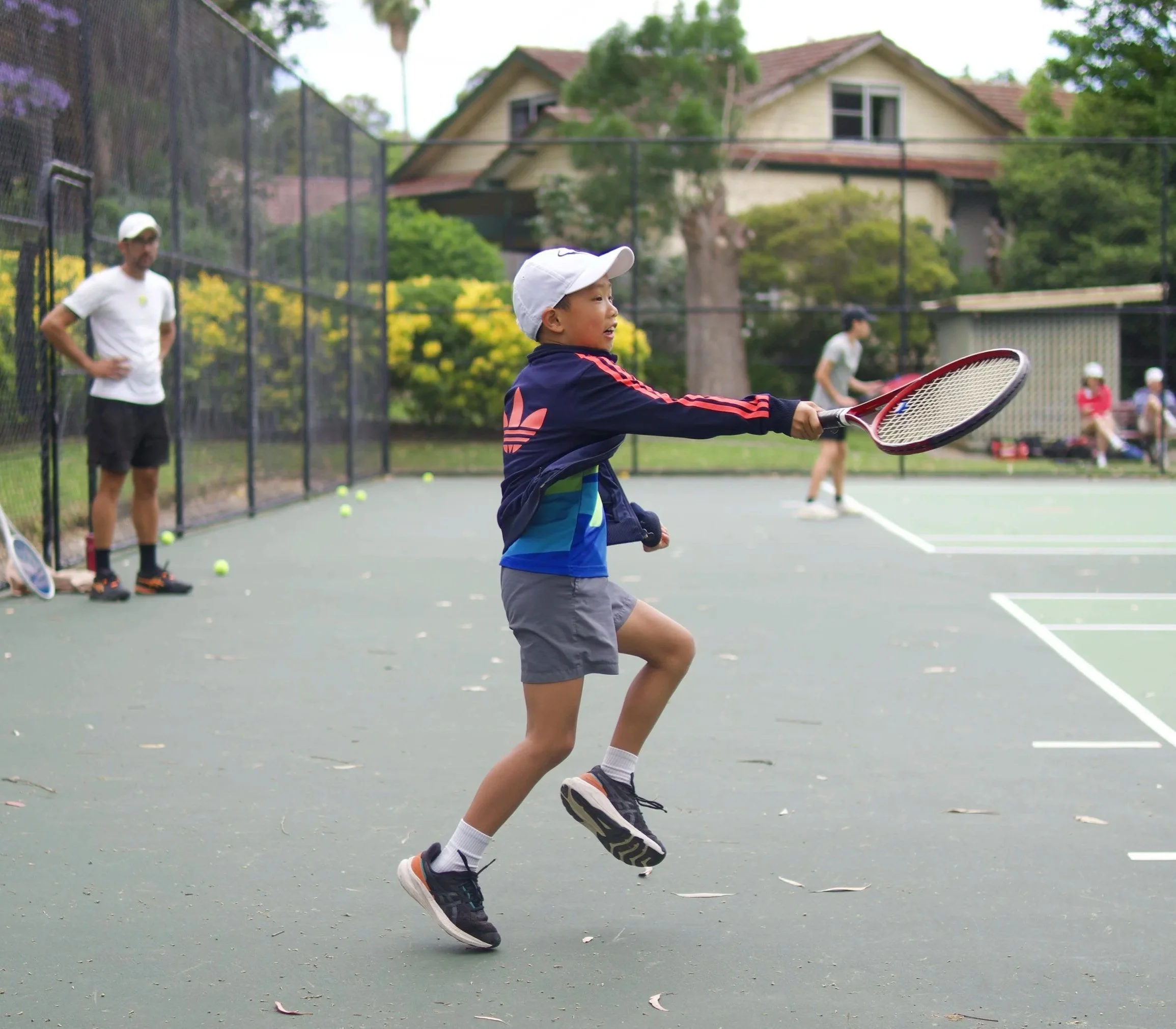
Every young tennis player—no matter how talented—has off days.
Days when the legs feel heavy, the timing is off, the forehand disappears, or the energy just isn’t there.
Parents see it. Coaches see it.
And most importantly, the child feels it, often more intensely than anyone else.
These days are uncomfortable, but they are also incredibly important.
In fact, how adults respond to a child’s off day shapes their long-term development far more than what we do on their good days.
Let’s dive deeper into why these moments matter and how parents can turn them into powerful learning opportunities.
Off Days Are Where Resilience Is Built
Good days make tennis look easy.
Off days make tennis honest.
When a child struggles, they’re forced to deal with:
• frustration,
• self-doubt,
• unexpected mistakes,
• and the pressure of not meeting their own expectations.
This is where resilience is grown—not during the smooth, perfect sessions.
Junior players who learn to:
• keep trying even when they’re tired,
• stay in points when their rhythm is gone,
• and remain respectful and composed under pressure
…often become the players who compete best in tournaments.
A child who only trains on “perfect days” becomes fragile.
A child who trains through the messy days becomes strong.
Your Reaction Matters More Than Their Performance
When kids struggle, they immediately scan their environment:
“Is Mum disappointed?”
“Does Dad think I’m playing badly?”
“Am I letting people down?”
Your tone, body language, and energy set the emotional climate.
What children need most on off days is a calm, steady, predictable parent.
Not a coach.
Not an analyst.
Just a safe presence.
Helpful responses sound like:
• “Everyone has tough days, don’t worry.”
• “I’m proud of your effort.”
• “You stuck with it even when it was tough — that’s huge.”
• “Bad days don’t define you.”
The wrong responses—often said with good intentions—sound like:
• “Why are you playing so badly today?”
• “We’ve gone backwards.”
• “This isn’t good enough.”
• “You weren’t trying.”
Kids internalise this.
And once they start associating tennis with parental disappointment, development slows down dramatically.
Off Days Give Us Valuable Information
Coaches value off days because they show the truth.
When a child struggles, it becomes easier to see:
• if their technique holds under pressure,
• whether their footwork breaks down when they’re tired,
• if their mental routines are strong,
• how they react to mistakes,
• and what patterns they rely on when things get difficult.
These insights help us plan the next steps in their development.
A great question for parents to ask (in a calm moment) is:
“What did you learn about your game today?”
This teaches the child to reflect and not attach emotion to the result.
Confidence Comes From Surviving, Not Perfection
Many parents think confidence comes from winning or playing well.
But true confidence comes from something deeper:
Knowing you can handle the hard days and still keep going.
When a child learns they can:
• keep trying even when it’s ugly,
• finish a set when they’re upset,
• push through fatigue,
• or recover after a poor start,
…their belief in themselves becomes unshakeable.
This type of confidence shows up in tournaments.
These are the kids who don’t fall apart after a few early errors — because they’ve already practised handling discomfort.
Kids Are Human First, Athletes Second
Kids have:
• school stress,
• growth spurts,
• sleep disruptions,
• hunger dips,
• emotional changes,
• and days where their brains are simply tired.
Expecting consistent performance at all times is unrealistic.
On off days, your child might need:
• more empathy,
• more patience,
• a shorter session,
• or even reassurance that it’s okay to be human.
Sometimes the most helpful thing a parent can say is:
“I love watching you play — no matter how it goes.”
That sentence alone builds emotional safety.
Your Child Is Building a Long-Term Relationship With the Sport
How parents handle off days shapes how kids feel about tennis long-term.
Kids who feel judged stop enjoying the sport.
Kids who feel supported become curious, relaxed, and open to learning.
If your child learns that:
• tennis is safe,
• mistakes are normal,
• effort is praised,
• and their identity is not tied to performance,
…they will stay in the sport longer, enjoy it more, and get further.
Final Thoughts: Don’t Fear the Off Days
Off days aren’t setbacks.
They’re foundations.
They give children:
• resilience,
• self-awareness,
• emotional strength,
• and a realistic understanding of growth.
And they give parents the chance to show their children one of the most powerful messages in sport:
“I’m here for you — not just when it’s easy, but especially when it’s not.”
That lesson lasts far beyond tennis.
