
The Player Is at the Centre: A Guide for Tennis Parents
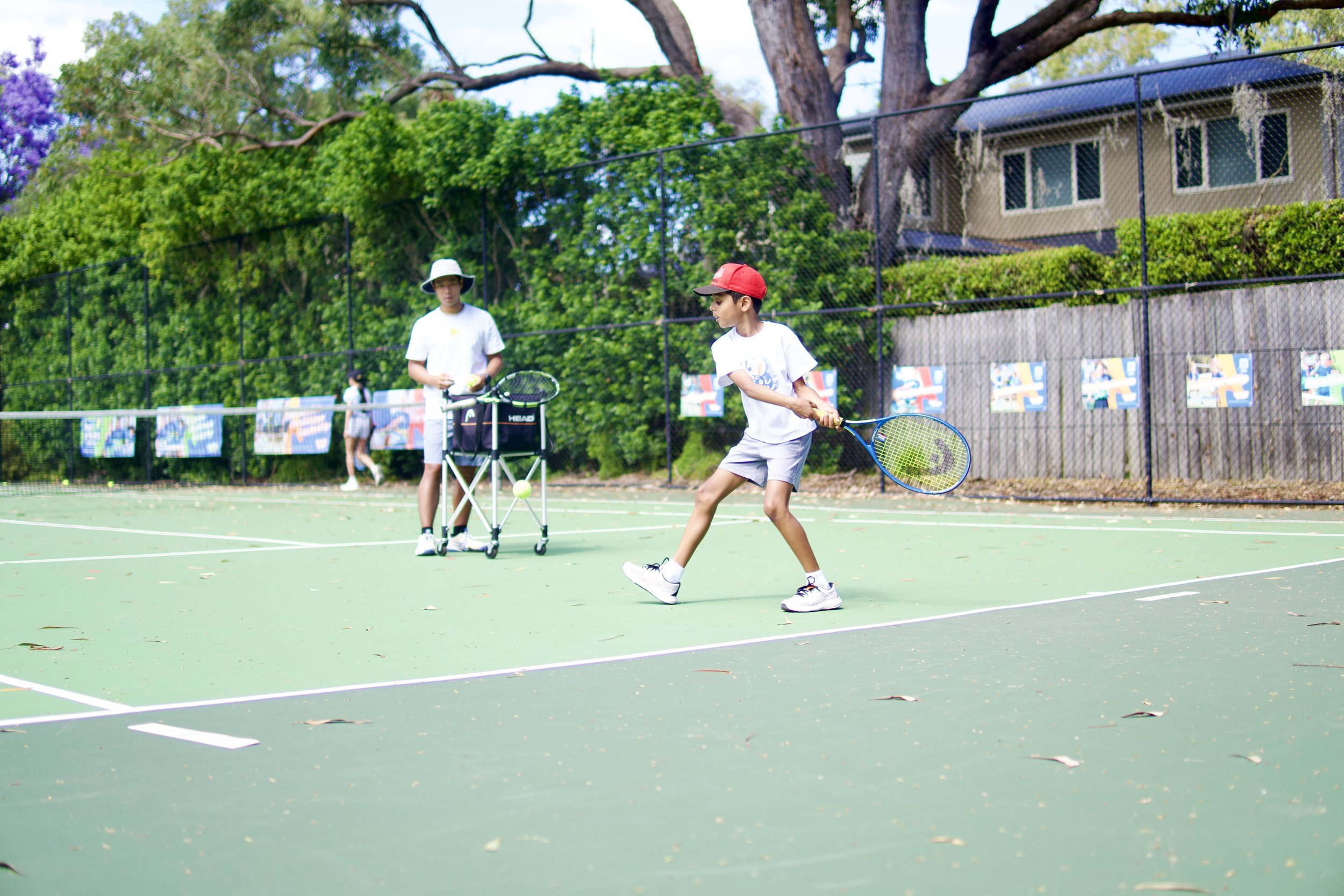
In junior tennis, there are coaches, programs, competitions, rankings, and plenty of advice floating around… but at the heart of everything, there is one person who matters most:
The player. Your child.
This simple idea — the player is at the centre — is one of the most important principles in their development. And when parents truly understand it, the whole tennis journey becomes healthier, happier, and far more successful.
Let’s explore what this really means, and how you, as a parent, play a powerful supporting role.
Your Child’s Journey, Not Yours
Every child steps on court with their own personality, motivation, fears, dreams and pace of learning.
Some love competition. Some love the social side. Some want to be pros. Some just love hitting balls.
When we remember that the journey belongs to them, we remove pressure and create space for them to grow.
Your role:
• Encourage joy and curiosity.
• Avoid comparing them to others.
• Celebrate effort, not outcomes.
Your child will progress faster when they feel ownership of their tennis.
Support > Control
Parents naturally want the best for their kids — that’s universal. But sometimes enthusiasm turns into micro-managing: correcting technique from the sidelines, over-analyzing matches, or pushing too hard.
Children develop best when they feel supported, not controlled.
What great support looks like:
• Providing opportunities (lessons, tournaments, practice).
• Creating routines (sleep, nutrition, school balance).
• Being their emotional anchor when things get tough.
• Trusting the coaching process.
Your calm presence is more influential than any technical advice.
The Coach Guides, the Player Learns, the Parent Supports
When all three roles are clear, the system works beautifully.
Coach: designs the plan, teaches skills, sets standards
Player: practices, competes, learns
Parent: provides support, stability, encouragement
When roles blend, confusion grows.
When roles are clear, development accelerates.
Focus on the Long Game
Junior tennis is full of ups and downs — great wins, tough losses, plateaus, sudden improvements, emotional days.
This is normal. This is development.
What matters most is consistency, long-term growth, and a supportive environment.
Parents help the long game by:
• Avoiding emotional reactions after matches
• Rewarding habits instead of results
• Helping the child self-reflect instead of making excuses
• Keeping perspective during growth spurts or dips
Remember: progress isn’t linear — and that’s okay.
The Best Question You Can Ask
After a match or lesson, one question stands out above all others:
“Did you enjoy it today?”
or
“What did you learn?”
Not:
✘ “Why did you miss that forehand?”
✘ “You should’ve won that match.”
✘ “Why didn’t you focus?”
When children feel safe talking about their experience, they grow faster — and enjoy the sport for longer.
Final Thoughts: You Matter More Than You Think
Your child’s relationship with tennis is shaped by the environment around them.
When they feel supported, understood, and valued, tennis becomes a space where they can challenge themselves, develop resilience, make friendships, and fall in love with the sport.
As a parent, you are a vital part of this journey — not by being in the centre, but by protecting the space around your child so they can thrive at the centre.
And that’s what makes the difference between simply playing tennis…
and truly growing through tennis.
