
Supporting Without Hovering: Helping Young Tennis Players Build Independence
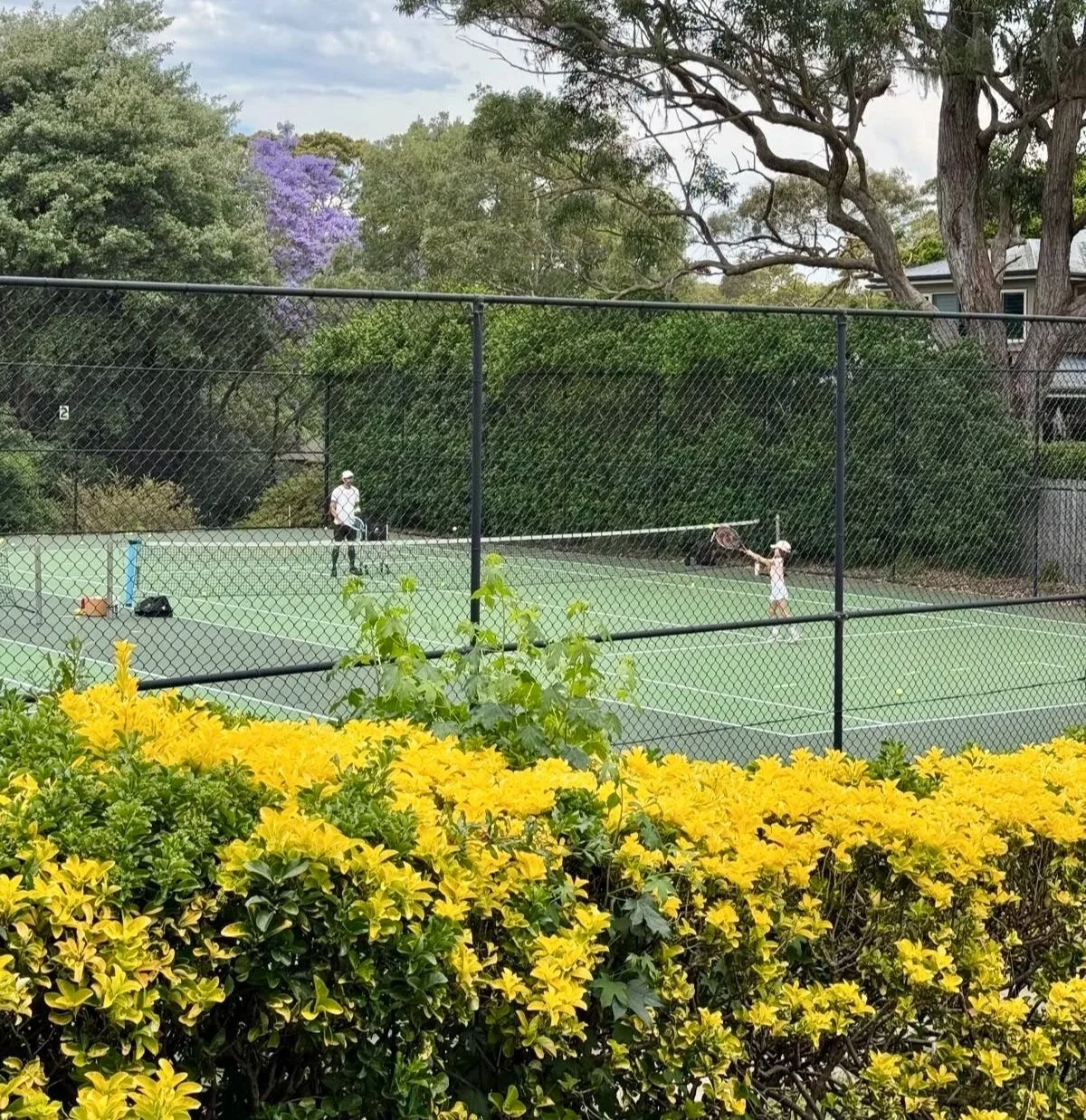
One of the hardest parts of being a tennis parent isn’t the early mornings or busy schedules —
it’s knowing how involved to be.
Should you stay close, guide every step, and watch every drill?
Or should you step back and let your child figure things out on their own?
The answer lies somewhere in between.
Why Independence Matters in Tennis
Tennis is an individual sport. Once a match begins, players are on their own.
Learning to:
• Problem-solve
• Manage emotions
• Make decisions under pressure
…are essential skills — and they don’t develop if a parent is always stepping in.
Giving children space helps them:
• Take ownership of their effort
• Build confidence
• Learn from mistakes
When Hovering Can Hold Players Back
Hovering usually comes from care and good intentions, but it can unintentionally:
• Increase pressure
• Reduce a child’s confidence in their own decisions
• Make them afraid of making mistakes
If a child constantly looks to the sideline for reassurance, it’s often a sign they haven’t yet learned to trust themselves.
The Role Parents Should Play
Stepping back doesn’t mean stepping away.
Healthy involvement looks like:
• Providing routine and structure
• Encouraging effort, not outcomes
• Letting coaches handle technical instruction
• Listening more than correcting
Your calm presence is often more powerful than words.
Age Matters: Adjusting Your Involvement
Younger players naturally need more support. As they grow, that support should gradually shift.
A simple guide:
• Ages 5–7: Stay close, reassure, and keep things fun
• Ages 8–10: Encourage independence while staying available
• Ages 11+: Allow space, responsibility, and self-reflection
The goal is progress, not perfection.
After Training or Matches: What Helps Most
Instead of technical feedback, try:
• “Did you enjoy it?”
• “What did you learn today?”
• “What was challenging?”
These questions encourage reflection and independence — without pressure.
Final Thought
Your child doesn’t need you to hover, and they don’t need you to disappear.
They need support without pressure, guidance without control, and space to grow.
When parents strike that balance, young players become more confident, resilient, and self-driven — both on and off the court.
