
Why Pep Talks Often Don’t Work (Especially for Young Tennis Players)
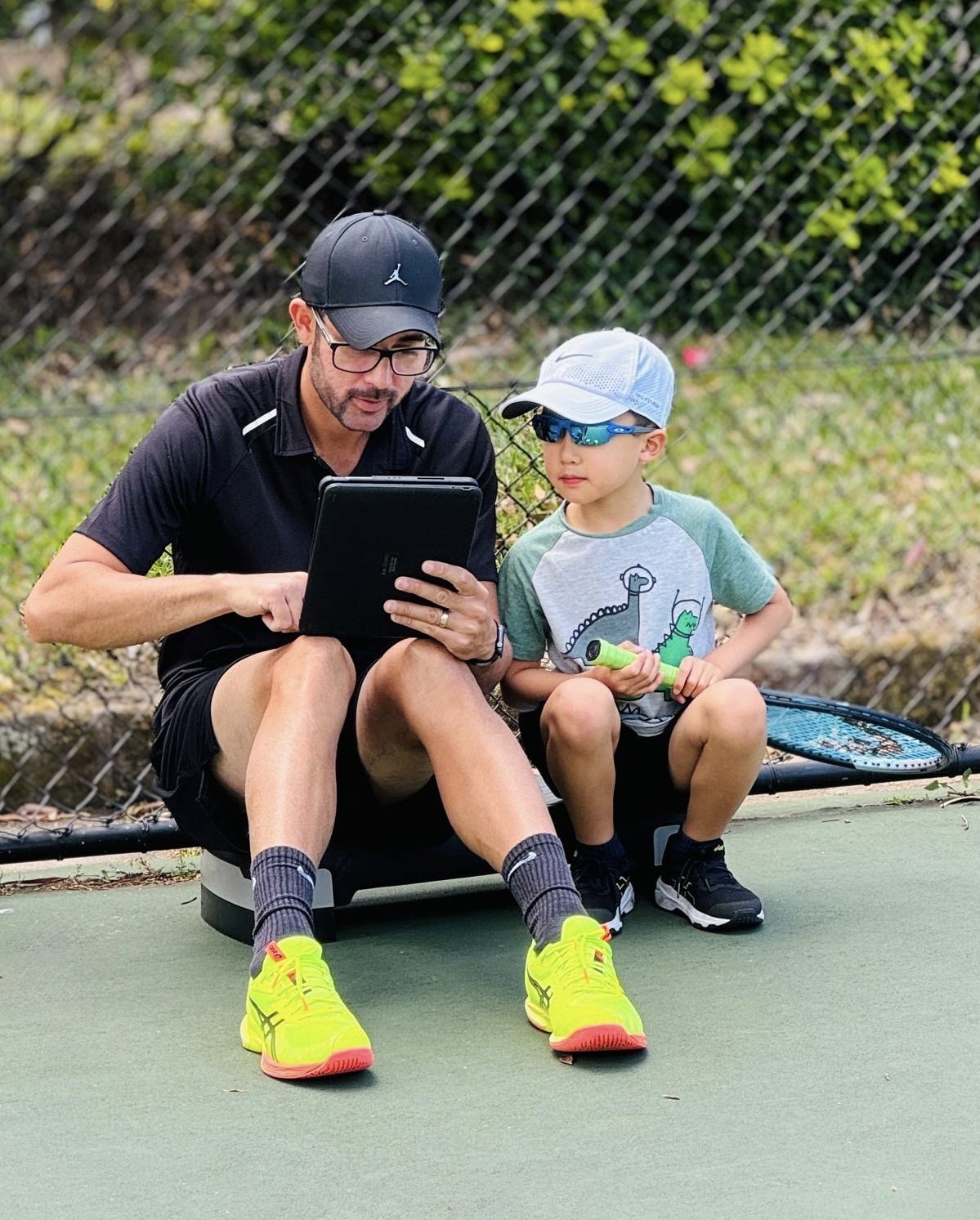
As parents, pep talks come from a good place.
We want to motivate, encourage, and help our child feel confident before training or matches.
“Just believe in yourself.”
“Relax and enjoy it.”
“You’ve got this!”
But here’s the uncomfortable truth: pep talks often don’t work — and sometimes they even make things worse.
Pep Talks Focus on Words, Not Feelings
When a child is nervous, frustrated, or overwhelmed, they’re not in a logical state of mind. Their body is already in “fight or flight.”
Adding more words at that moment doesn’t calm them — it adds pressure.
What they hear is often:
• “You shouldn’t feel nervous”
• “You’re expected to perform”
• “Don’t mess this up”
Even if your intention is positive, their emotions don’t process it that way.
They Can Increase Performance Pressure
A pep talk before a match can unintentionally send this message:
“This match matters a lot.”
Young players then feel they must:
• Win for you
• Play well to avoid disappointment
• Prove something
Instead of freeing them up, pep talks can tighten them up — leading to stiff swings, rushed decisions, and emotional outbursts.
Confidence Isn’t Built in the Car Ride
Confidence doesn’t magically appear because of a speech.
Real confidence comes from:
• Repetition in training
• Feeling prepared
• Small wins over time
• Knowing what to focus on
If those foundations aren’t there, no amount of motivational talking will fix it in the last five minutes before stepping on court.
Kids Often Need Calm, Not Motivation
Many young players don’t need hype — they need regulation.
Silence.
Normal conversation.
A sense that everything is okay regardless of the outcome.
Sometimes the most powerful support is:
• Sitting quietly
• Talking about something unrelated
• Simply saying, “I’m here if you need me”
This helps their nervous system settle far more than a speech.
What Works Better Than Pep Talks
Instead of a pep talk, try:
Before matches
• Keep things routine and normal
• Ask if they want advice or space
• Use short, neutral reminders if needed (one cue max)
After matches
• Avoid analysing straight away
• Let emotions settle first
• Focus on effort, not results
Long-term
• Build confidence in training
• Set process goals, not outcome goals
• Encourage independence and problem-solving
Final Thought
Pep talks aren’t bad — they’re just often mistimed.
When emotions are high, connection beats motivation.
When preparation is solid, confidence shows up naturally.
Sometimes, the best thing a parent can do is less talking and more presence.
And that quiet support?
That’s often what helps a young tennis player perform at their best
