
What Progress in Junior Tennis Really Looks Like (And Why It’s Not Just Winning Matches)
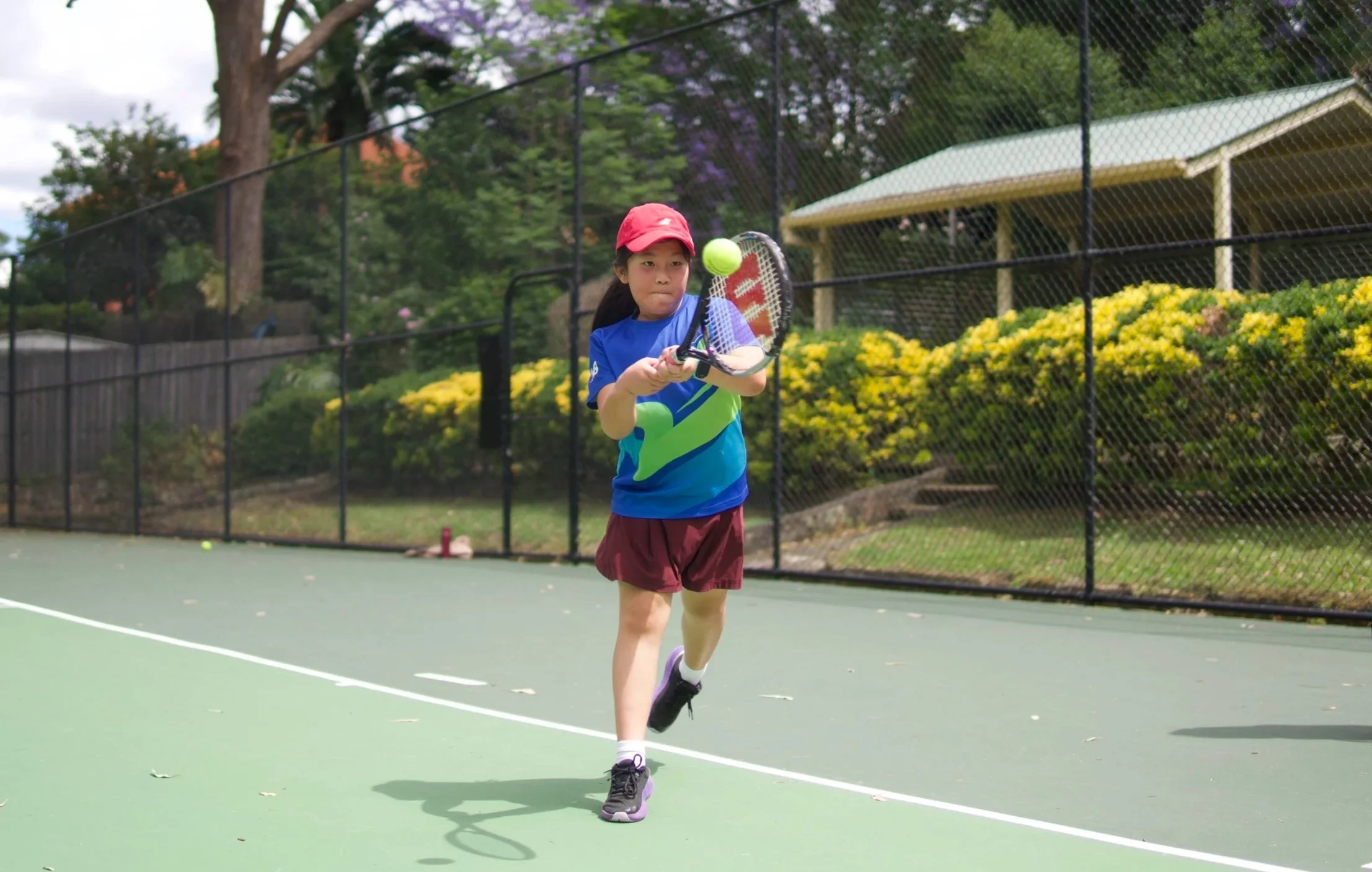
As parents, it’s completely natural to look at match results and ask one simple question:
“Is my child improving?”
In junior tennis, progress can be difficult to measure—especially when wins and losses don’t always tell the full story. In fact, some of the most important signs of development have very little to do with the scoreboard.
At Our Tennis Journey, we focus on long-term development, confidence, and love for the game. Here’s what real progress in junior tennis actually looks like.
Longer Rallies, Not Just Harder Shots
One of the clearest signs of improvement is a child’s ability to sustain rallies.
• Can they keep the ball in play for longer?
• Are they choosing safer targets?
• Are unforced errors gradually reducing?
A player who learns to rally consistently is building the foundation for everything that comes later. Winning early by hitting harder often hides weaknesses that appear at the next level.
Consistency comes before power. Always.
Better Decision-Making Under Pressure
Progress shows up when players start to:
• Choose higher-percentage shots
• Recover back to position automatically
• Play with patience instead of rushing points
You might still see losses on the match sheet, but if your child is making smarter decisions—even when nervous—that’s a huge step forward.
Learning how to play is far more important than simply winning.
Improved Movement and Balance
Footwork is one of the most underrated indicators of progress.
Signs to look for:
• Quicker recovery after each shot
• Better balance when hitting
• Fewer “reaching” or off-balance swings
As movement improves, confidence follows. Good footwork allows players to trust their strokes and stay calm during rallies.
Emotional Growth on Court
This is a big one—and often overlooked.
True progress includes:
• Recovering quicker after mistakes
• Trying again after a tough point
• Staying engaged even when losing
Every junior player will feel frustration. The difference is how they respond to it. Emotional control is a skill, just like a forehand, and it develops over time with the right environment and support.
Confidence to Try (Even When It’s Hard)
When players feel safe to:
• Attempt new techniques
• Play higher-level opponents
• Step into uncomfortable situations
…they’re growing.
A short-term loss while trying something new is often a long-term win. Avoiding challenges might protect results, but it limits development.
Enjoyment and Motivation to Keep Playing
Perhaps the most important sign of all:
Does your child still enjoy coming to training?
Smiling, laughing, asking questions, and wanting to come back next week are powerful indicators that things are going in the right direction.
Players who love the process stay in the sport longer—and that’s when real improvement happens.
Why Winning Can Be Misleading
Winning matches at a young age can feel great, but it doesn’t always mean a player is developing well.
Some players win early by:
• Pushing the ball safely
• Avoiding risk
• Relying on physical advantages
Eventually, these strategies stop working. Players who focused on skills, movement, and mindset—even if they lost more early on—are often the ones who thrive later.
A Message to Parents
Your role is incredibly important.
Celebrate effort, courage, and improvement—not just wins. Ask questions like:
• “What did you learn today?”
• “What was something you tried?”
• “What are you proud of?”
By doing this, you help create confident, resilient players who enjoy the journey.
Final Thought
Progress in junior tennis isn’t always visible on a match score.
It’s in the rallies, the decisions, the body language, and the love for the game.
If your child is improving in these areas, they’re on the right path—even if the wins haven’t arrived yet.
And when they do, they’ll be built on something that lasts.
