
What To Do When Your Young Tennis Player Is Throwing a Tantrum
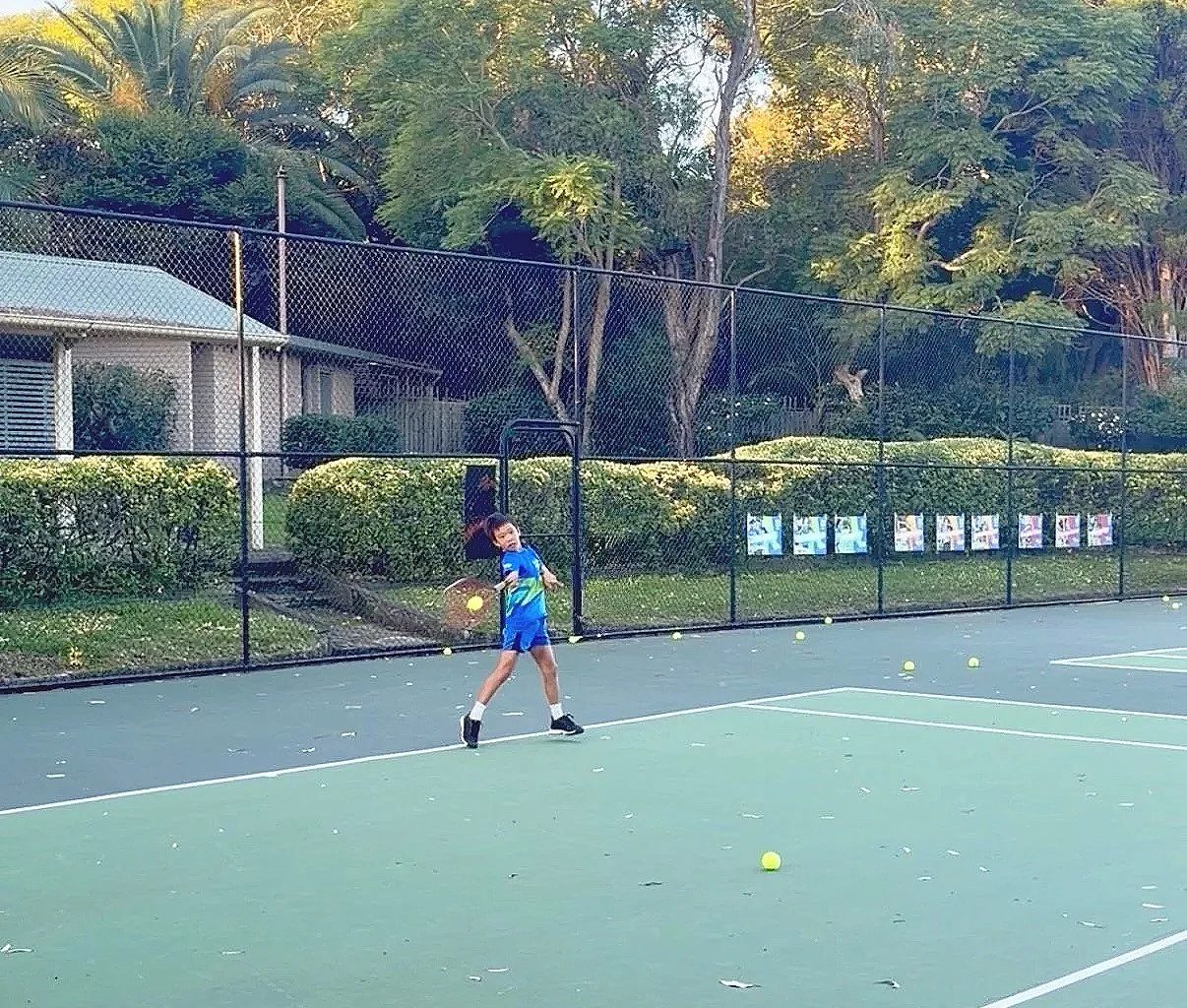
If you’ve spent time on a tennis court with children, you’ve probably seen it.
The crossed arms.
The tears.
The racquet drop.
The “I don’t want to play anymore!”
And as a parent, it can feel embarrassing, frustrating — or even worrying.
But here’s something important:
A tantrum doesn’t mean your child isn’t suited for tennis.
It means they are learning how to handle emotions.
And tennis is one of the best sports to teach that skill.
First — Understand What’s Really Happening
In tennis, children are:
• Competing alone
• Making their own mistakes
• Keeping score
• Feeling pressure
• Comparing themselves to others
That’s a lot for a young brain.
Most tantrums are not about tennis.
They are about:
• Frustration
• Perfectionism
• Fatigue
• Feeling overwhelmed
• Wanting to win
It’s emotional overload.
What Parents Should Do (And Not Do)
Stay Calm — Even If You Feel Embarrassed
Your child will mirror your energy.
If you look stressed or angry, their emotions escalate.
If you stay calm and grounded, their nervous system begins to settle.
Sometimes the best response is simple:
“I can see you’re frustrated. That’s okay.”
Don’t Solve It For Them Immediately
It’s tempting to jump in with:
“Just focus!”
“It’s only a game!”
“Stop crying!”
But emotional regulation is learned — not commanded.
Instead, ask:
“What happened that made you upset?”
Let them process.
Separate Effort From Outcome
Many tantrums come from perfectionism.
Remind them:
“We care about effort, not winning.”
“Mistakes are part of learning.”
When children understand that mistakes are safe, emotional outbursts reduce over time.
Don’t Threaten to Quit the Sport
One of the biggest mistakes I see:
“If you behave like this, we’re stopping tennis.”
This teaches children that emotions lead to removal — not growth.
Instead, reinforce:
“We’ll work through this together.”
Tennis is not just about forehands and backhands.
It’s about learning resilience.
Talk About It Later — Not During
Mid-tantrum is not a teaching moment.
After the session, when emotions have settled, ask:
“What could you do differently next time when you feel that frustrated?”
Now you’re building emotional tools.
Why Tennis Is Actually Good for Emotional Growth
Tennis is unique because it puts children in individual situations.
They must:
• Solve problems
• Handle pressure
• Recover after mistakes
• Compete independently
These are life skills.
When guided properly, a tantrum becomes a teaching opportunity — not a reason to quit.
The Role of Coaching Matters
A positive, structured coaching environment makes a huge difference.
When children feel supported, encouraged and safe to make mistakes, emotional growth happens naturally.
At Our Tennis Journey, we focus not only on technique — but on helping young players build confidence, resilience and emotional control.
Because the goal isn’t just better tennis.
It’s stronger, more confident young people.
Final Thought for Parents
If your child throws a tantrum on court, it doesn’t mean:
• They lack talent
• They are “bad at sport”
• Tennis isn’t for them
It means they are learning how to handle pressure.
And that is part of the journey.
With patience, consistency and the right guidance, those emotional moments often turn into the biggest breakthroughs.
