
How Tennis Parents Can Encourage Young Players to Become Better Problem Solvers
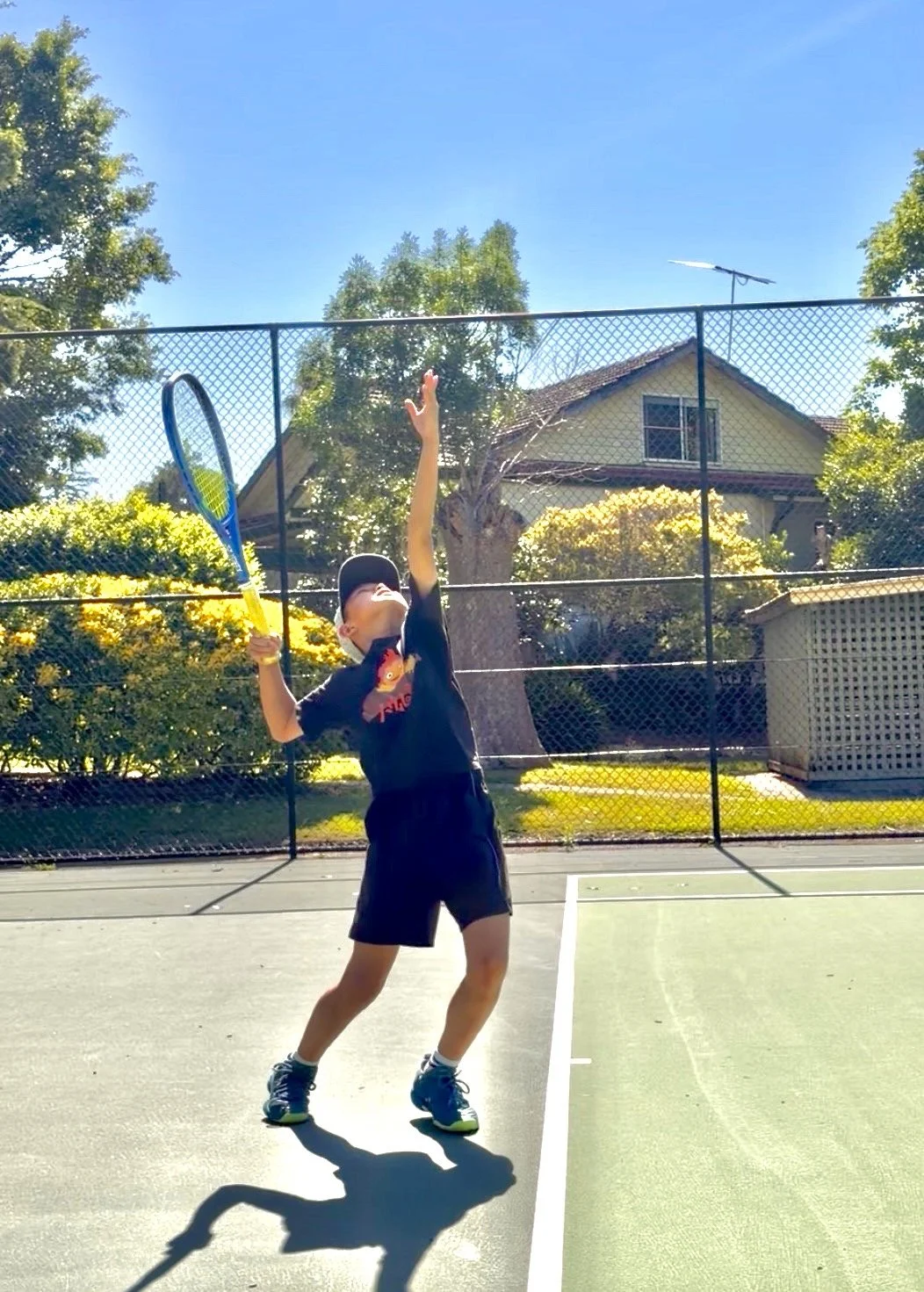
One of the most important skills a young tennis player can develop isn’t their forehand or serve.
It’s problem solving.
Tennis is an individual sport. Once a match starts, there are no time-outs, no substitutions, and no coaches on the court. Your child has to figure things out on their own — tactically, emotionally, and mentally.
As parents, the way we support (or sometimes accidentally interfere) can either help this skill grow… or quietly take it away.
Why Problem Solving Matters in Tennis (and Life)
When young players learn how to problem solve, they:
Adapt when Plan A doesn’t work
Stay calmer under pressure
Build confidence in their own decisions
Become more resilient after mistakes or losses
These skills don’t just create better tennis players — they create stronger, more independent kids.
The Most Common Trap Parents Fall Into
Most parents step in because they care.
You might find yourself:
Giving technical advice from the fence
Telling them what shot to hit
Explaining what they “should have done” after every point or match
The intention is good. But the message the child often receives is:
“I can’t figure this out on my own.”
Over time, this creates dependence, hesitation, and fear of making mistakes.
Shift from “Giving Answers” to “Asking Questions”
Instead of solving the problem for your child, guide them toward solving it themselves.
After a match or training session, try questions like:
“What worked well today?”
“What was challenging?”
“What do you think you could try next time?”
“What was your plan when you were under pressure?”
There are no right or wrong answers here. The goal is reflection, not correction.
Let Them Sit with Discomfort
Watching your child struggle can be uncomfortable — especially when you know the solution.
But struggle is where learning happens.
If they’re losing, frustrated, or confused:
Resist the urge to jump in immediately
Allow space for emotions to settle
Trust that struggle is part of growth
A child who learns to work through discomfort becomes far more mentally strong in the long run.
Praise Thinking, Not Just Results
Instead of focusing only on wins, rankings, or outcomes, praise:
Good decision-making
Trying a new tactic
Adjusting after losing points
Staying composed under pressure
For example:
“I loved how you tried different serves.”
“I noticed you changed your positioning — great thinking.”
“You stayed focused even when things weren’t going your way.”
This teaches your child that effort and thinking matter more than winning.
Your Role: Support, Not Solve
Your child already has coaches to guide technique and tactics.
Your role as a parent is to:
Be emotionally safe
Encourage curiosity and reflection
Trust the process
Celebrate effort and growth
When parents step back just enough, children step forward.
Final Thought
Problem solving is a skill — and like any skill in tennis, it takes time, patience, and repetition.
By allowing your child to think, struggle, adjust, and learn on their own, you’re not just helping them become better tennis players.
You’re helping them become confident, independent people.
And that’s a win that lasts far beyond the court.
